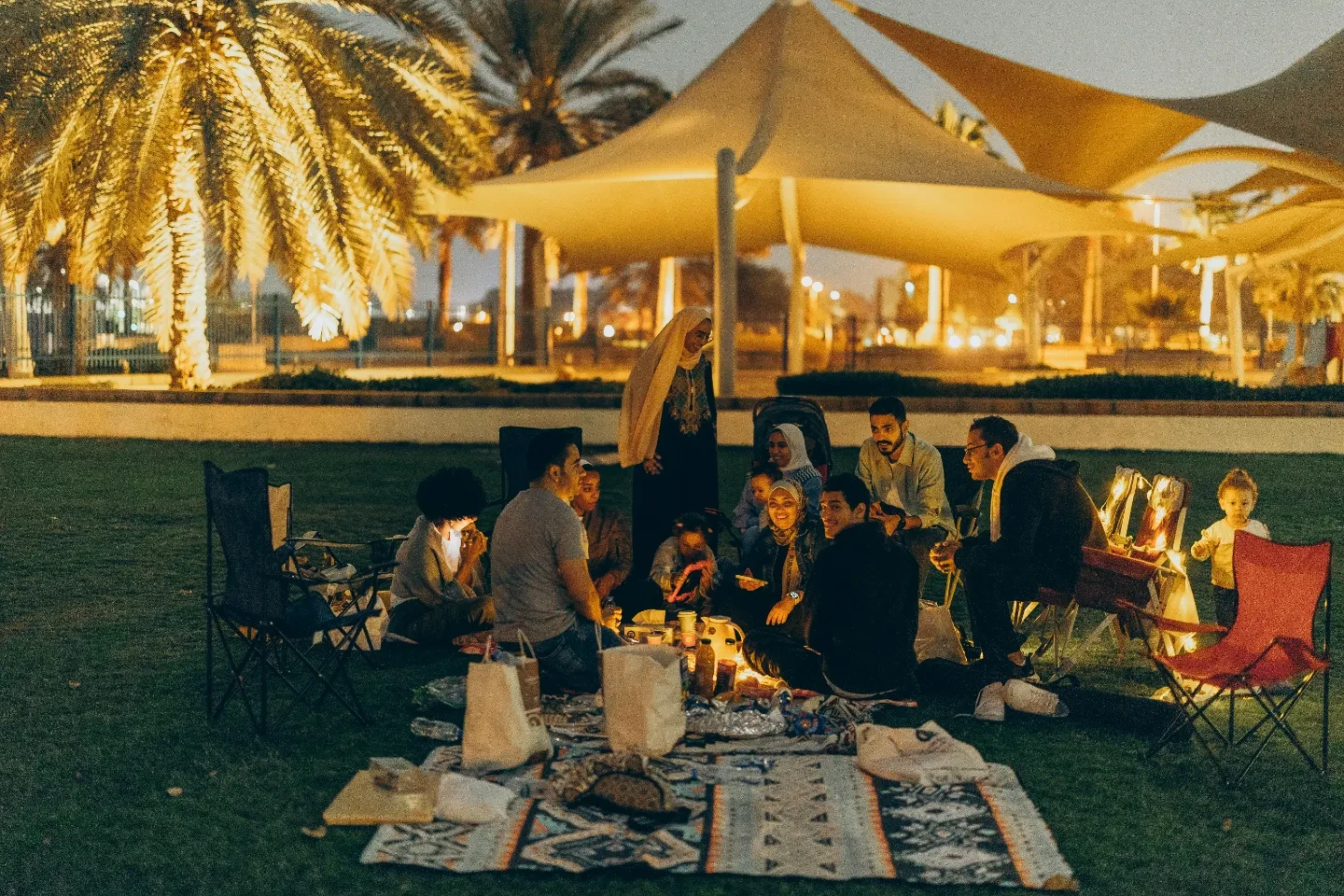
Plan Ahead: UAE Public Holidays 2026 and How to Celebrate
Planning around public holidays in the UAE isn’t just about getting days off—it’s also a great way to enjoy special moments with your family, friends, and community. These holidays are filled with meaning, from the peaceful traditions of Ramadan and Eid to the exciting celebrations of National Day. They show different parts of the UAE’s culture and help everyone come together.
In 2026, the UAE will have a mix of up to 14 holidays that are either on the same date every year or change based on the moon. This guide will help you learn about all the important public holidays, so you can plan your time, enjoy the celebrations, and make the most of your year—whether you’re traveling, spending time with loved ones, or organizing your work schedule.
UAE Public Holidays 2026: Full Calendar
Planning your year around public holidays can help you make the most of long weekends, festive celebrations, and religious observances. In the UAE, these holidays are a mix of fixed and lunar-calendar-based dates, including major Islamic events, national milestones, and globally recognized days. Below is the full 2026 calendar of public holidays, organized by category to give you a clearer view of what to expect and how to plan ahead.
A table with the official public holidays in the UAE in 2026
Date(s) | Day(s) | Holiday Name | Notes |
1 January | Thursday | New Year's Day | First day of the Gregorian year |
20 March | Friday | Eid al-Fitr | Start of Eid break (predicted) |
21 March | Saturday | Eid al-Fitr | Celebrates the end of Ramadan (predicted) |
22 March | Sunday | Eid al-Fitr Holiday | National holiday extension (predicted) |
26 May | Tuesday | Arafat Day | Day before Eid al-Adha (predicted) |
27 May | Wednesday | Eid al-Adha | Festival of Sacrifice (predicted) |
28 May | Thursday | Eid al-Adha Holiday | Continuation of Eid break (predicted) |
29 May | Friday | Eid al-Adha Holiday | Continuation of Eid break (predicted) |
16 June | Tuesday | Islamic New Year | Marks the start of the Hijri year (predicted) |
25 August | Tuesday | Prophet Muhammad’s Birthday | Celebrated as a public holiday (predicted) |
30 November | Monday | Commemoration Day | Honors Emirati martyrs |
2 December | Wednesday | UAE National Day | Marks UAE’s formation in 1971 |
3 December | Thursday | National Day Holiday | Extended national celebration |
Religious Holidays
This group includes the most important Islamic celebrations observed across the UAE. These holidays follow the Hijri (Islamic lunar) calendar, so their Gregorian dates may vary slightly each year depending on moon sightings.
Eid al-Fitr (March 20–22): Celebrates the end of Ramadan, a month of fasting and spiritual reflection. It’s a time for prayer, charity, and festive gatherings.
Arafat Day (May 26): Observed on the second day of the Hajj pilgrimage, it's a deeply significant day for Muslims around the world.
Eid al-Adha (May 27–29): Known as the "Festival of Sacrifice", it honors the willingness of Ibrahim (Abraham) to sacrifice his son as an act of obedience.
Islamic New Year (June 16): Marks the beginning of the new Hijri year, a quiet, reflective holiday.
Prophet Muhammad’s Birthday (August 25): A commemoration of the birth of the Prophet, often observed with prayers and educational events.
National Holidays
These holidays celebrate the UAE’s identity, heritage, and achievements as a nation. They’re marked by patriotic displays, community events, and time off to enjoy with family.
Commemoration Day (December 1): Honors Emiratis who sacrificed their lives in service to the country. A solemn day of national reflection.
UAE National Day (December 2 – 3): One of the most vibrant celebrations in the UAE, marking the unification of the seven emirates in 1971. Expect parades, fireworks, and festivities across the country.
International Holiday
While most UAE public holidays are religious or national, one global celebration is officially recognized.
New Year’s Day (January 1): Celebrated around the world, this day marks the beginning of the Gregorian calendar year. In the UAE, it’s a public holiday and often enjoyed with fireworks and events.
How Islamic Holiday Dates are Determined
Islamic holiday dates in the UAE—and across the Muslim world—are based on the Hijri (Islamic) lunar calendar, which differs from the Gregorian calendar used internationally. Unlike fixed-date holidays, Islamic observances such as Eid al-Fitr and Eid al-Adha depend on the sighting of the new moon. This means the exact dates can shift by about 10 to 11 days each year and may vary slightly between countries or even regions within a country.
In the UAE, the final confirmation of these dates is announced by the Moon Sighting Committee, typically the night before the holiday begins, making planning a bit flexible until the official notice is given.
How Public Holidays Are Celebrated in the UAE
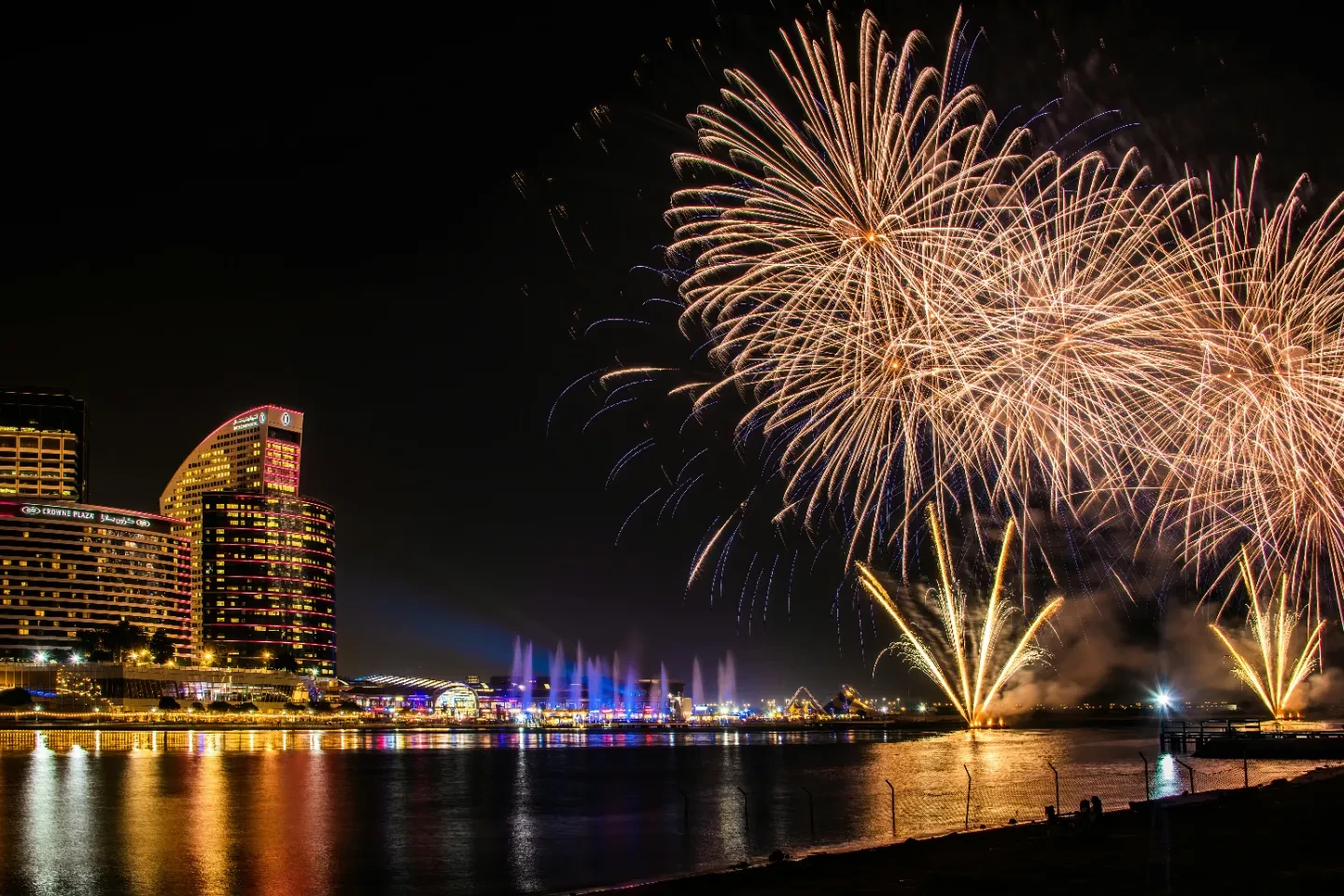 Public holidays in the UAE reflect a blend of deep-rooted traditions, religious values, and national pride. While Islamic holidays are observed with family gatherings, prayers, and acts of charity, national celebrations focus on unity, remembrance, and patriotism. Each holiday brings a unique atmosphere to the country, often accompanied by extended weekends, public events, and vibrant cultural expressions across cities and communities.
Religious Holidays: Eid al-Fitr, Eid al-Adha, and More
Religious holidays hold deep spiritual significance in the UAE. Eid al-Fitr, which marks the end of Ramadan, is celebrated with morning prayer times, festive meals, and generous giving to the less fortunate. Families gather, children receive gifts, and homes are filled with sweets and traditional dishes.
Eid al-Adha is observed with a similar spirit of community and giving, commemorated by the symbolic sacrifice of livestock and the sharing of meals with loved ones and those in need. In contrast, Islamic New Year and the Prophet Muhammad’s Birthday are more subdued, often marked by quiet reflection, religious talks, and time spent with family.
National Holidays: Commemoration Day & UAE National Day
National holidays in the UAE are moments of reflection and celebration. Commemoration Day is a solemn occasion where the country honors its fallen heroes, with flags flown at half-mast and ceremonies that highlight the nation’s respect for sacrifice and service. Just a few days later, UAE National Day brings the country to life with parades, fireworks, and cultural showcases. Streets are adorned with flags, public spaces host concerts and traditional performances, and people across the Emirates take part in events that celebrate the union and progress of the UAE.
New Year’s Day and Global Holidays
While rooted in global culture, New Year’s Day is embraced with enthusiasm across the UAE. The night before is one of the most anticipated celebrations of the year, especially in cities like Dubai and Abu Dhabi where massive fireworks shows, live performances, and countdown parties draw thousands of people. On January 1st, families often enjoy a more relaxed pace, spending the day together or taking part in events at malls, restaurants, and resorts that continue the festive spirit into the new year.
In addition to New Year’s, the UAE also acknowledges several other global occasions, particularly those celebrated by its diverse expatriate population. Events like Christmas, Diwali, and even Chinese New Year are observed in both public and private spaces. Major malls and public venues often host themed decorations, special promotions, and cultural shows to reflect these holidays, creating a welcoming environment for all communities and adding to the multicultural spirit of the country.
Cultural Etiquette During Islamic Holidays
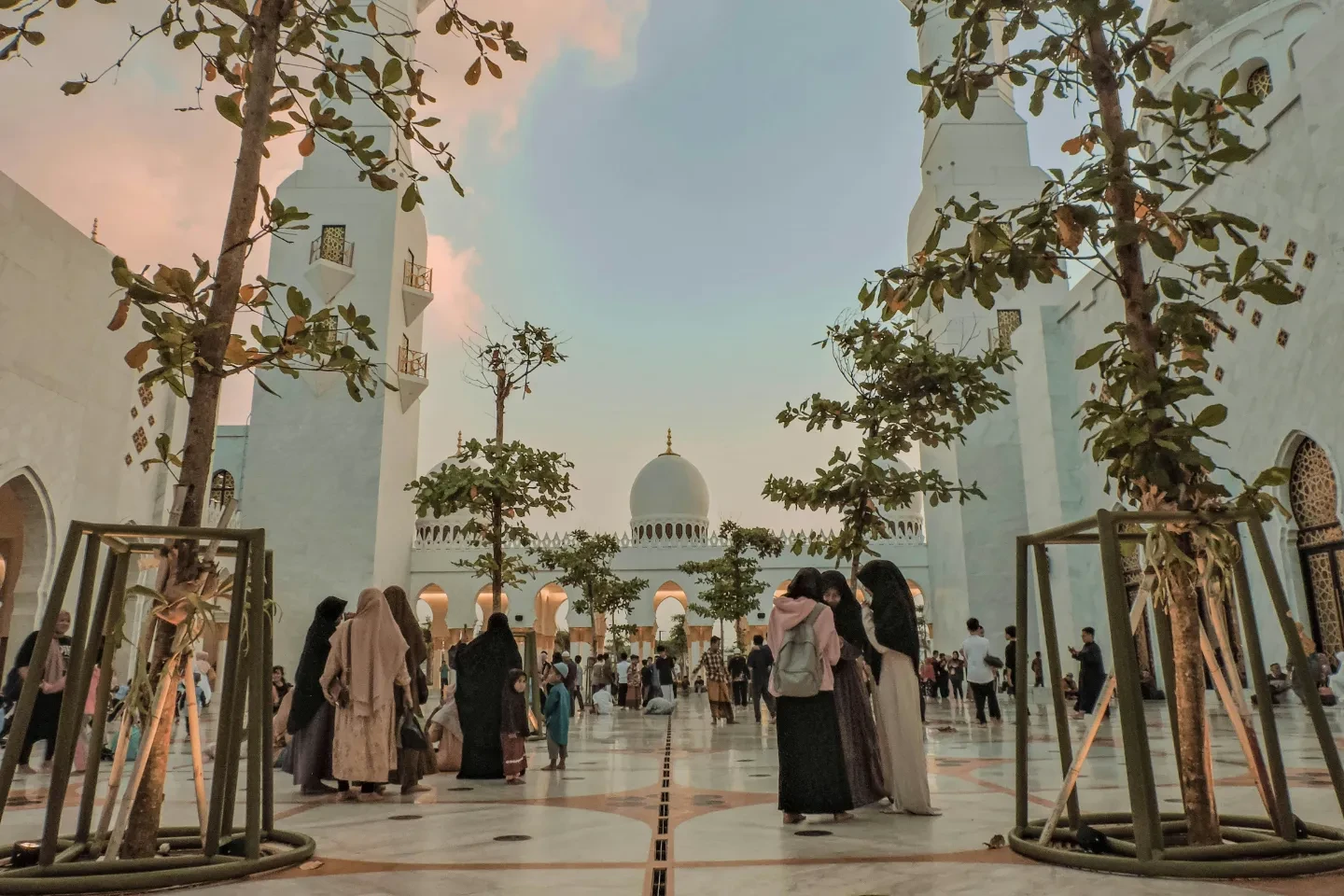 Islamic holidays in the UAE are deeply rooted in faith, tradition, and community. Whether you are a resident or a visitor, observing respectful behavior during these times is not only appreciated but also expected.
These holidays—particularly Ramadan, Eid al-Fitr, and Eid al-Adha—bring a more reflective and spiritual atmosphere to daily life. Businesses may adjust their hours, and the pace of public life slows down, creating a unique cultural rhythm that is important to understand and respectfully participate in.
What Non-Muslims Should Know
Non-Muslims are welcome to experience the spirit of Islamic holidays, but there are key etiquette points to keep in mind. During Ramadan, for instance, eating, drinking, or smoking in public during daylight hours is discouraged out of respect for those who are fasting.
While many hotels and designated areas make accommodations for non-fasting individuals, public discretion is expected. It’s also a time to dress more conservatively—covering shoulders and knees is a general guideline, especially near mosques or in traditional neighborhoods.
Embracing Local Traditions
Islamic holidays offer a unique opportunity to engage with local customs. Visitors and residents alike are often invited to enjoy Iftar—the evening meal that breaks the fast—either in homes or community tents set up across the city. These gatherings highlight the spirit of generosity and hospitality that defines the holy month.
During Eid, you may witness special prayers, family visits, gift-giving, and charity efforts. Participating in or simply observing these traditions respectfully is a meaningful way to connect with the culture of the UAE.
What to Expect When Traveling in the UAE During Public Holidays
Traveling to the UAE during public holidays can be both exciting and overwhelming. These festive periods transform cities like Dubai and Abu Dhabi into vibrant hubs of activity, drawing crowds from across the country and abroad. With so many people heading out to enjoy the time off, it’s important to plan ahead—especially if your trip involves flying, hotel stays, or visits to popular attractions. Understanding what to expect can help you make the most of your experience and avoid common pitfalls.
Increased Crowds and Busy Attractions
During public holidays, malls, beaches, parks, and entertainment venues often see a sharp rise in visitors. Tourist hotspots may feel more crowded than usual, and lines at restaurants or major landmarks can be long. While this adds to the festive mood, it also means you may need to book tickets or reservations in advance to avoid disappointment.
Higher Travel Costs and Packed Airports
Airfare and hotel prices typically spike during public holidays, particularly if they fall around major celebrations like Eid or National Day. Airports, especially in Dubai and Abu Dhabi, become much busier, with longer check-in and security lines. Travelers are advised to plan early, look for deals well in advance, and allow extra time for airport procedures.
How to Make the Most of Long Weekends
 Long weekends in the UAE are ideal opportunities to recharge, explore, and connect with loved ones. Whether you’re looking to travel abroad or enjoy a staycation, planning ahead can help you make the most of these breaks. With several public holidays falling adjacent to weekends in 2026, residents and visitors alike can take advantage of extended time off for everything from quick getaways to cultural experiences within the Emirates. Below are some tips and ideas to help you turn every long weekend into something memorable.
Travel Planning Tips
Public holidays—especially Eid and National Day—can lead to peak travel times in the UAE. Flights, hotel bookings, and even staycation resorts often fill up weeks in advance. Planning early is key if you want the best rates and options. Consider destinations within short flight distances like Oman, Georgia, or the Maldives, which are popular for long weekends.
Even within the UAE, coastal cities and desert resorts offer luxury and relaxation, but they too require early reservations during public holidays. Set alerts for airline deals and explore flexible cancellation options to make the most of your travel plans.
Events and Activities in the UAE
The UAE transforms during public holidays, offering a packed calendar of local events. From dazzling fireworks and drone shows to live concerts and traditional markets, there’s always something happening. National Day celebrations typically include parades and cultural performances across the Emirates.
Eid holidays bring family-friendly events at malls and public parks, with extended shopping hours and entertainment. Heritage festivals in places like Al Ain and Liwa offer a deeper cultural experience. Stay updated on city event calendars to catch seasonal happenings you won’t want to miss.
Family-Friendly Fun
Public holidays are perfect for spending quality time with family, and the UAE offers endless options for all ages. Theme parks like Ferrari World, Warner Bros. World, and Legoland often have special holiday promotions and extended hours. Nature lovers can escape to desert resorts or head out on a desert safari for a unique outdoor experience.
Cultural destinations such as the Sheikh Zayed Grand Mosque, Qasr Al Watan, or the Louvre Abu Dhabi offer both education and entertainment. With kid-friendly entertainment and plenty of open space, the country’s beaches and public parks also make great spots for relaxed family outings.
FAQs
Planning around UAE public holidays in 2026 can help you get the most out of your time off. Below are some frequently asked questions to help you organize your time when it comes to travel, work, and personal plans.
1. How many public holidays are there in the UAE in 2026?
There are 14 public holidays in the UAE in 2026, beginning with New Year's Day. The next major holidays are for Eid al-Fitr, which follows the holy month of Ramadan.
2. Are there any public holidays in the UAE during December 2026?
Yes, the final public holidays in the UAE for 2026 occur in December. Commemoration Day is observed on 1 December, followed by UAE National Day on 2 December and an additional holiday on 3 December.
3. How many days off are given for Ramadan 2026 in the UAE?
In 2026, employees in the UAE can expect 3 days off for the end of Ramadan, from Sunday, March 30 to Tuesday, April 1 (Shawwal 1 to 3). If Ramadan lasts the full 30 days, an additional day may be added, extending the holiday to Wednesday, April 2 (Ramadan 30 to Shawwal 3).
4. What is the most significant national celebration in the UAE?
UAE National Day, known in Arabic as Eid Al Etihad (عيد الاتحاد) or Al Yawm Al Watani (اليوم الوطني), is the country’s most important national holiday. Celebrated every year on December 2, it marks the unification of the seven emirates and the founding of the United Arab Emirates in 1971.
Conclusion
Public holidays in the UAE aren’t just about getting time off—they’re special times that let you enjoy the country’s culture and traditions. You can enjoy the peaceful days of Ramadan and Eid or the exciting celebrations of National Day. Namely, each holiday helps people feel more connected to the UAE. If you plan ahead, you can enjoy these holidays even more—by spending time with family, relaxing, or celebrating with your community.
As you plan your year, it’s also a good time to think about your future. If you’re interested in finding a property or investing in it in the UAE, Kredium’s real estate experts are here to help. Check out our Properties page to see great places you can live or invest in—perfectly timed with your next big plans.
Photo Credits: Pexels